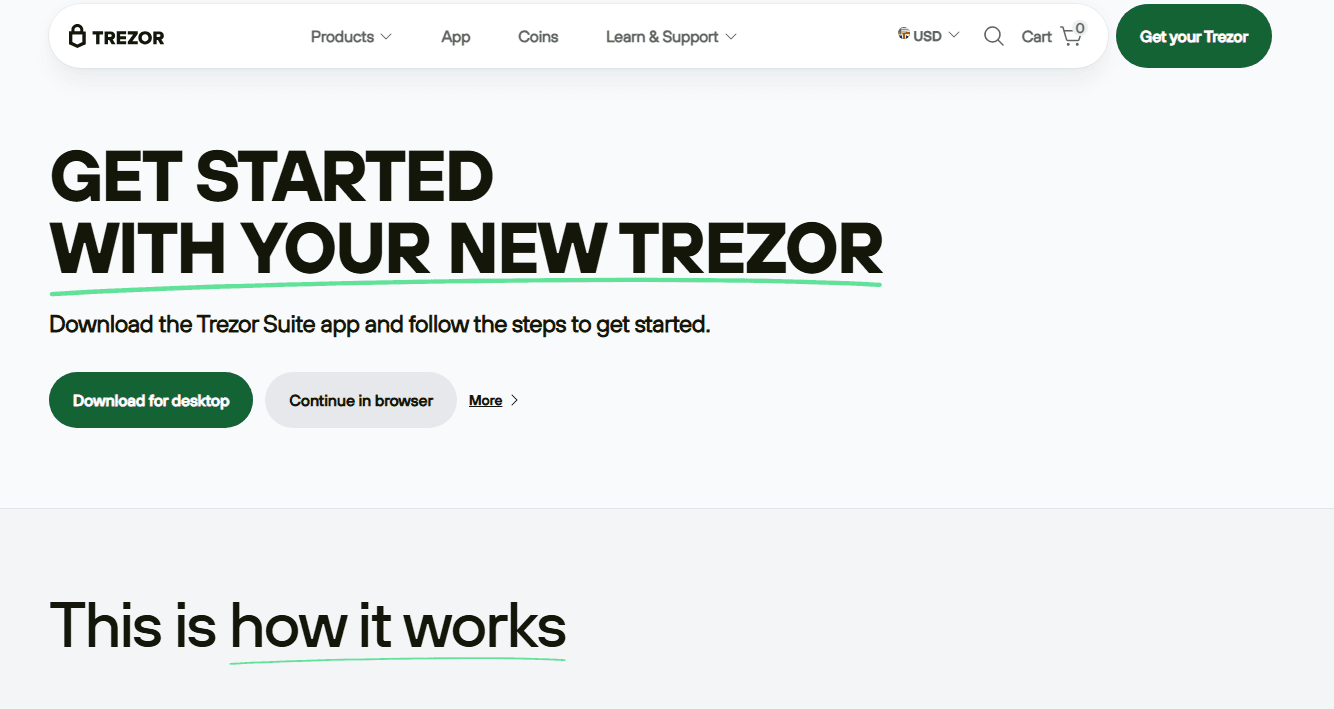
Trezor.io/start: A Reliable Approach to Crypto Wallet Setup
With the increasing value and adoption of cryptocurrencies, securing digital assets has become a serious priority. Hardware wallets are widely trusted for long-term storage, and Trezor is one of the most established names in this category. The Trezor.io/start page is designed to help users safely configure their device from the first moment of use. This article explains the setup process, security principles, and best practices for protecting your cryptocurrency.
The Need for Secure Crypto Storage
Cryptocurrency ownership depends entirely on private keys. Whoever controls these keys controls the funds. Online wallets, exchanges, and mobile apps are convenient, but they remain vulnerable to cyber threats. Hardware wallets solve this problem by keeping private keys offline, isolated from internet-connected devices.
Trezor hardware wallets are built to provide strong protection while remaining simple enough for everyday users. Proper setup is essential to ensure these protections are fully active.
What Makes Trezor.io/start Important
Trezor.io/start acts as the official starting point for initializing a Trezor device. It ensures users follow verified steps using authentic software and correct security procedures. Beginning the setup through this page reduces the risk of falling victim to fake applications or phishing attempts that target recovery phrases.
This guided process is suitable for beginners as well as experienced users who want a secure foundation for managing digital assets.
Initial Device Inspection
Before connecting the device, users should carefully examine the packaging. A genuine Trezor device is factory-sealed and unused. There should be no recovery seed, PIN, or instructions suggesting the wallet is already set up.
Once the device is verified, connect it to a computer or supported mobile device using the original cable. The device screen will provide clear prompts to begin configuration.
Firmware Setup and Security Confirmation
Firmware is the internal operating system of the Trezor device. During first-time use, the device may prompt users to install or verify firmware. This step ensures the wallet runs the latest security updates and functions correctly.
Every firmware action requires confirmation directly on the device screen. This design prevents unauthorized software from being installed without the owner’s knowledge.
Creating a New Wallet Environment
After firmware installation, users can create a new wallet. This process generates a unique set of cryptographic keys inside the device. These keys never leave the hardware wallet, ensuring they remain protected even if the connected computer is compromised.
Users who already own a wallet can choose to restore it using a recovery seed, but new users typically create a fresh wallet during setup.
Recovery Seed and Its Role in Asset Protection
The recovery seed is the most critical element of a Trezor wallet. It is displayed as a sequence of words on the device screen during setup.
Why the Recovery Seed Matters
The recovery seed is the only method to restore access to your wallet if the device is lost, stolen, or damaged. Anyone who has this seed can access your funds without the physical device.
Recommended Storage Practices
Write the seed clearly and in correct order
Store it offline in a secure location
Avoid digital storage such as photos or cloud backups
Never share the seed with anyone
Protecting the recovery seed is essential for maintaining full ownership of your assets.
Setting a Device PIN
To prevent unauthorized physical access, Trezor requires users to set a PIN. This PIN must be entered whenever the device is connected. After repeated incorrect attempts, the device enforces increasing delays, making unauthorized access extremely difficult.
A strong PIN significantly enhances wallet security and protects against theft or misuse.
Daily Use and Transaction Security
Once setup is complete, users can manage their cryptocurrency through the official wallet interface. Trezor supports a wide range of digital assets, allowing users to send, receive, and store funds securely.
Each transaction must be manually approved on the device. This confirmation step ensures that no transaction can occur without the owner’s physical involvement, even if the connected computer is infected with malware.
Common Security Mistakes to Avoid
Even with a secure hardware wallet, poor practices can lead to asset loss. Users should avoid:
Entering recovery phrases into websites or apps
Installing unofficial wallet software
Ignoring firmware updates
Purchasing devices from unverified sellers
Sharing sensitive wallet information
Awareness and caution are key components of long-term crypto security.
Final Overview
Trezor.io/start provides a secure and structured way to initialize a Trezor hardware wallet. By following the recommended steps, users ensure their device is authentic, their wallet is properly configured, and their recovery information is protected. With careful setup and responsible handling, a Trezor hardware wallet offers a dependable solution for safeguarding cryptocurrency assets over the long term.