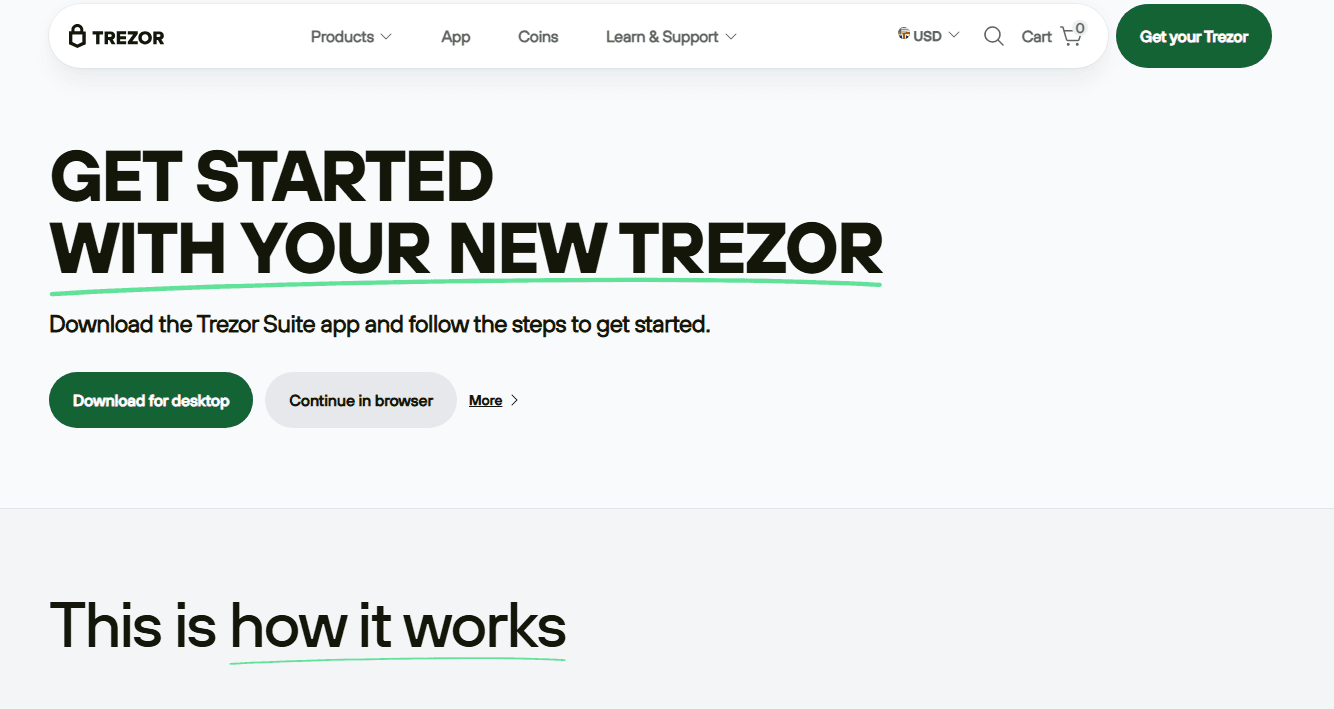
Trezor.io/start: Essential Steps to Secure Your Digital Assets
As cryptocurrency adoption grows, safeguarding digital assets has become a critical responsibility for investors and users alike. Hardware wallets are widely recognized as one of the safest storage solutions, and Trezor has built a strong reputation for reliability and security. The Trezor.io/start page is the official gateway for initializing a Trezor device, ensuring the setup process is completed correctly and securely. This guide explains how the setup works and why it is important for protecting your crypto holdings.
Why Hardware Wallets Matter
Cryptocurrencies rely on private keys to authorize transactions. If these keys are exposed, funds can be lost permanently. Hardware wallets solve this problem by storing private keys offline within a secure device. This approach protects assets from online threats such as malware, phishing attacks, and unauthorized access.
Unlike exchange wallets or software-based solutions, hardware wallets give users complete ownership and control over their funds. Trezor devices are designed to balance strong security with ease of use.
Purpose of the Trezor.io/start Page
The Trezor.io/start page exists to guide users through the official and safe initialization of their hardware wallet. It helps users avoid counterfeit software and fraudulent setup processes that attempt to steal recovery phrases or private information.
Starting the setup from this page ensures that the device is paired with legitimate software, firmware is verified, and security features are enabled correctly from the beginning.
Checking Your Device Before Setup
Before connecting your Trezor device, it is important to inspect the packaging carefully. A brand-new device should be sealed and unused. There should be no pre-written recovery seed or preset PIN included in the box.
Once verified, connect the device to your computer or compatible mobile device using the provided cable. The device screen will guide you through the initial steps.
Installing Firmware and Device Verification
Firmware is the core software that runs on the Trezor device. During the first setup, users are prompted to install or confirm the latest firmware version. This step is essential because firmware updates include security enhancements and fixes for known vulnerabilities.
All firmware actions must be approved directly on the device screen, preventing unauthorized modifications and ensuring the integrity of the wallet.
Creating a Wallet on Trezor
After firmware installation, users can create a new wallet. This process generates cryptographic keys within the device itself. These keys never leave the hardware wallet, meaning they are never exposed to the internet or your computer.
Users who already have an existing wallet can choose to restore it using a recovery seed, but new users typically create a fresh wallet during this step.
Understanding the Recovery Seed
The recovery seed is the most critical security component of a Trezor wallet. It consists of a list of words displayed on the device during setup.
Importance of the Recovery Seed
The recovery seed is the only way to regain access to your funds if the device is lost, damaged, or no longer functional. Anyone who has access to this seed has full control over the wallet.
Safe Handling Practices
Write the words down carefully and in the correct order
Store the seed offline in a secure location
Never save it digitally or online
Do not share it with anyone
Losing the recovery seed means losing access to your assets permanently.
Setting Up a PIN Code
To protect the device from unauthorized physical access, users are required to create a PIN. This PIN must be entered every time the device is connected. Each incorrect attempt increases the waiting time before another attempt can be made, making brute-force attacks highly impractical.
A strong PIN adds an important extra layer of protection for your wallet.
Using Trezor to Manage Cryptocurrency
Once setup is complete, users can manage their digital assets through the official wallet interface. Trezor supports a wide range of cryptocurrencies, allowing users to store, send, and receive funds securely.
Every transaction must be confirmed on the device itself. This ensures that even if your computer is compromised, no transaction can be approved without your direct physical confirmation.
Security Mistakes to Avoid
Even the most secure hardware wallet can be compromised by user mistakes. Avoid the following:
Entering recovery seed words into websites or apps
Installing unofficial software or browser extensions
Skipping firmware updates
Purchasing devices from unverified sellers
Sharing wallet information with others
Staying cautious and following recommended practices greatly reduces risk.
Conclusion
Trezor.io/start is a crucial starting point for anyone setting up a Trezor hardware wallet. It ensures that the device is initialized securely, firmware is properly installed, and recovery information is handled safely. By following the correct setup process and maintaining good security habits, users can confidently protect their cryptocurrency assets and maintain full control over their digital wealth.