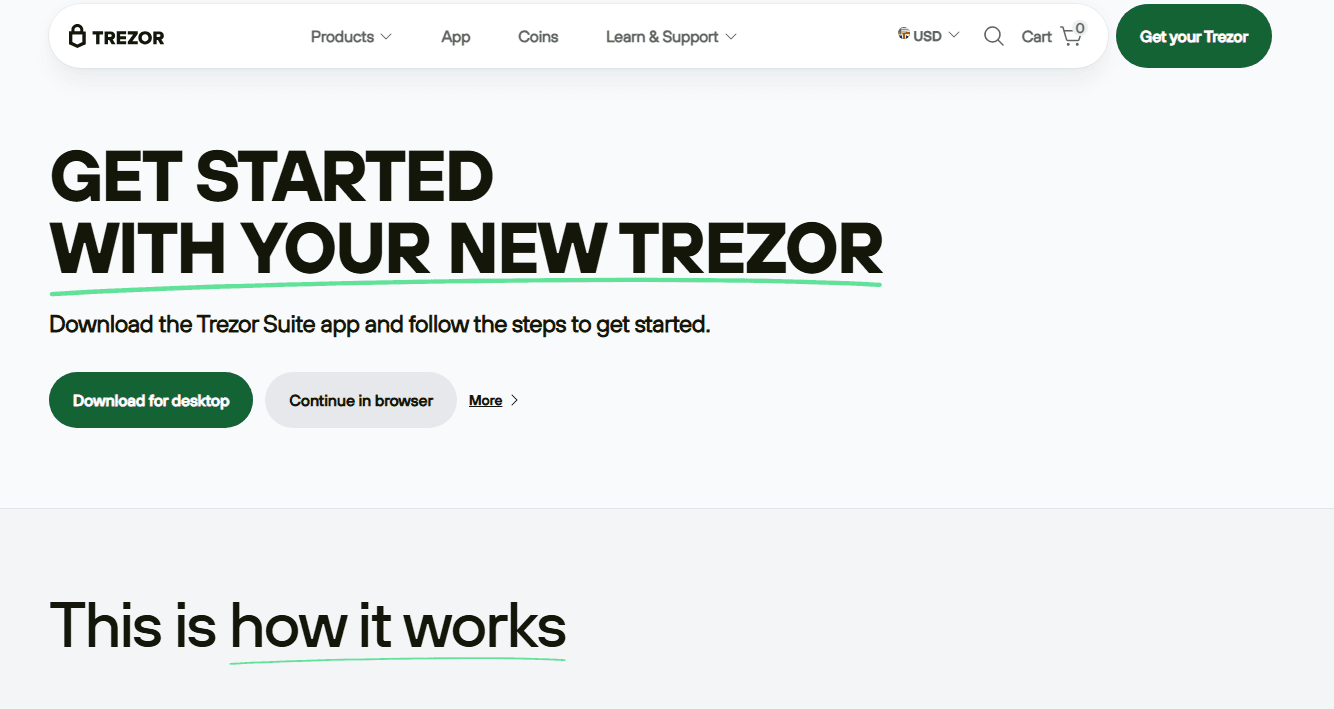
Trezor.io/start: Complete Guide to Setting Up Your Trezor Hardware Wallet
Cryptocurrency security is a growing concern as digital assets become more valuable and widely used. One of the most trusted solutions for protecting crypto holdings is a hardware wallet, and Trezor stands out as a pioneer in this space. The Trezor.io/start page is the official starting point for users who want to set up their Trezor device securely and correctly. This guide explains the purpose of Trezor.io/start, the setup process, and best practices for keeping your digital assets safe.
What Is Trezor.io/start?
Trezor.io/start is the official onboarding page designed to help users initialize their Trezor hardware wallet. It ensures that the device is set up using authentic software and follows secure procedures. Whether you are a beginner or an experienced crypto user, starting from this page helps reduce the risk of phishing, malware, or misconfiguration.
The page guides users through installing the required software, connecting the device, updating firmware, and generating a recovery seed. These steps are critical to maintaining full control over your private keys.
Why Choose a Trezor Hardware Wallet?
A Trezor hardware wallet stores private keys offline, protecting them from online threats such as hacking, viruses, and malicious websites. Unlike software wallets, which remain connected to the internet, Trezor devices isolate sensitive data within secure hardware.
Key advantages include:
Full ownership of private keys
Protection from malware and keyloggers
Support for multiple cryptocurrencies
Open-source security architecture
Easy-to-use interface for daily transactions
Using Trezor.io/start ensures these benefits are activated properly from the very first use.
Step-by-Step Trezor Setup Process
1. Unboxing and Device Check
Before connecting your Trezor, inspect the packaging carefully. It should be sealed and show no signs of tampering. A genuine Trezor device never comes pre-configured, and no recovery seed should already be provided.
2. Connecting the Device
Plug your Trezor device into your computer or supported mobile device using the supplied USB cable. The device screen will prompt you to begin the setup process.
3. Installing Official Software
The setup process requires installing Trezor’s official wallet interface. This software acts as a bridge between your hardware wallet and the blockchain, allowing you to manage assets securely.
4. Firmware Installation or Update
New devices usually require firmware installation. This step ensures your wallet runs the latest security features and fixes. Firmware installation must always be confirmed directly on the device screen.
5. Creating a New Wallet
You will be asked whether you want to create a new wallet or recover an existing one. Choosing a new wallet generates a unique set of private keys stored securely within the device.
Understanding the Recovery Seed
One of the most important steps during setup is generating the recovery seed. This seed is a series of words displayed on your Trezor device screen.
Why the Recovery Seed Matters
The recovery seed is the only backup of your wallet. If your device is lost, stolen, or damaged, this seed allows you to recover your funds on another Trezor or compatible wallet.
Best Practices for Seed Storage
Write the seed on paper, not digitally
Never take screenshots or photos
Store it in a safe, offline location
Do not share it with anyone
Anyone with access to your recovery seed can control your funds.
Setting a PIN for Extra Security
After generating the recovery seed, Trezor requires you to set a PIN. This PIN protects your device from unauthorized physical access. Each incorrect attempt increases the delay before another attempt is allowed, making brute-force attacks impractical.
Choose a PIN that is difficult to guess but easy for you to remember. Avoid simple patterns or commonly used numbers.
Managing Cryptocurrencies with Trezor
Once setup is complete, you can start managing cryptocurrencies directly through the wallet interface. Trezor supports a wide range of digital assets, allowing users to send, receive, and store coins securely.
Each transaction must be confirmed on the device itself, ensuring that even if your computer is compromised, funds cannot be moved without physical approval.
Common Mistakes to Avoid
Many security issues arise from user error rather than device flaws. Avoid these common mistakes:
Entering recovery seed on websites or apps
Downloading unofficial software
Ignoring firmware updates
Storing seed phrases digitally
Buying devices from unauthorized sellers
Starting at Trezor.io/start significantly reduces the risk of these errors.
Final Thoughts
Using Trezor.io/start is the safest and most reliable way to begin your hardware wallet journey. It ensures that your device is authentic, your wallet is created securely, and your recovery seed is generated properly. With careful setup and responsible security practices, a Trezor hardware wallet offers long-term peace of mind for managing cryptocurrency.